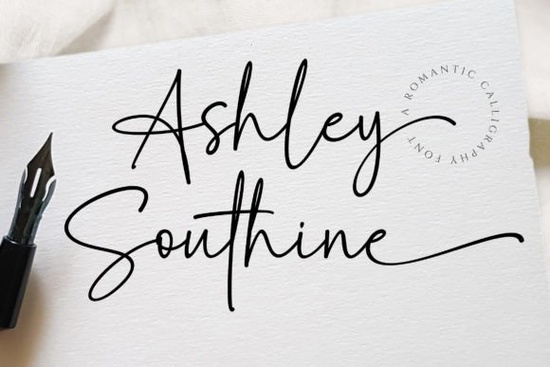
If you have been searching for a typeface that feels less digital and more human, the Ashley Southine font is a strong contender to consider. Designed to mimic authentic handcrafted strokes, this script offers a relaxed yet refined atmosphere perfect for projects needing a personal connection. Whether you are creating a brand identity or designing paper goods, this tool helps bridge the gap between professional typography and organic warmth.
Does this script deliver on its handwritten promise?
In the world of design, many "handwritten" fonts can feel stiff or overly polished. The goal with this particular asset is to present a natural handwritten feel that remains legible without losing character. Each letter showcases uniqueness in every curve and stroke, ensuring that text does not look like a standard template. When you apply it, the result looks like it was written by hand rather than typed by a machine.
This level of detail matters significantly when your audience needs to trust the message. A cold, geometric sans-serif conveys efficiency, whereas this fluid style suggests care and attention. It is a subtle distinction, but often the deciding factor in whether a customer stops scrolling and engages with your post.
Best Applications for Personalized Projects
Beyond mere aesthetics, knowing where to deploy the right texture saves hours of design time. Because of its elegance, this font works exceptionally well for events where tradition meets modernity.
- Wedding Invitations: Use it for couple names or headers to set an inviting tone for guests.
- Greeting Cards: It adds a signature-like quality to birthday or holiday wishes.
- Brand Logos: Small boutiques benefit from the bespoke appearance it provides.
- Print-on-Demand Tags: Clothing labels and tote bags gain a premium feel with custom script overlays.
If you are selling physical products via Etsy or Shopify, having a font that stands out without cluttering the visual hierarchy is crucial. This typeface supports that balance by keeping designs clean while retaining charm.
How do alternatives compare in style?
Sometimes, finding the right weight or flow depends on your specific project constraints. While this selection leans toward sophistication, there are other options depending on how whimsical you want to be.
For instance, if you are working on a children’s book cover or a playful packaging design, you might explore softer variations such as those found in the Sweet Cupcake collection. These tend to feature rounder edges suited for younger audiences.
On the other hand, rustic branding sometimes calls for a grittier aesthetic that feels grounded. In those cases, a rugged alternative like Country Kitchen offers a more weathered look suitable for farm-to-table concepts.
Conversely, if your goal is high-end luxury but with a flowing structure, styles similar to Hailey Script provide a consistent legibility while maintaining elegance. For sunny, cheerful campaigns, lighter weights akin to Sunshine can inject energy without sacrificing readability.
Finally, for romantic imagery where softness is key, designs reminiscent of Soulmate pair beautifully with floral elements. Choosing the right variant ensures your message lands correctly without distracting viewers.
Licensing and File Usage for Creators
Before diving into production, it is vital to understand how the files are distributed. Creative Fabrica typically includes various formats within a single package, ensuring compatibility across different software environments.
The files usually support both desktop and web usage. If you plan to sell items created with this font, reviewing the commercial license terms is mandatory. Most vendors offer a wide-use license that covers print-on-demand merchandise, meaning you can put the letters onto t-shirts, mugs, or canvas prints and sell them.
Always save the original file in a vector-friendly format like OTF or TTF. You can easily import these into Adobe Illustrator, CorelDraw, or even free alternatives like Inkscape. This flexibility allows for scaling without pixelation, which is non-negotiable for large format printing.
Making it work in real-world scenarios
To get the most out of this asset, pay attention to spacing and kerning. Handwritten scripts often require looser tracking to prevent letters from clumping together, especially on curved surfaces like cups or bottles. Experiment with baseline shifts to simulate the slight irregularities of manual writing.
Also, combine it wisely with body text. A simple serif or sans-serif pairing maintains focus on the headline. Using heavy fonts next to heavy fonts creates visual noise that pushes the message away.
Quick Implementation Tips:
- Kerning Check: Zoom out to see if letters appear to float too far apart.
- Contrast Test: Ensure the lightest lines still read clearly against the background color.
- Mockups: View your design in a realistic setting before finalizing the order.
A Final Thought on Authenticity
Ultimately, typography sets the mood before a client ever reads the actual words. By choosing a design element that respects the imperfections of handwriting, you signal authenticity in an increasingly automated market.
Start by testing it on a simple business card layout or a single social media graphic. If the stroke weight holds up well at small sizes, you have likely found a staple tool for your library.
Get Started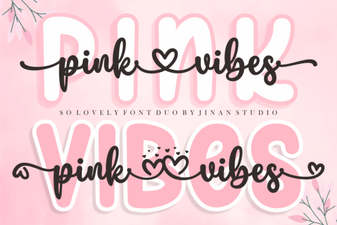 Pink Vibes Duo: Creative Font Pairing for Design Projects
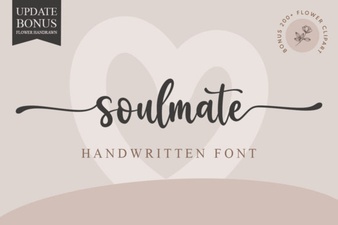 Soulmate Font Ideas for Creative Typography Projects
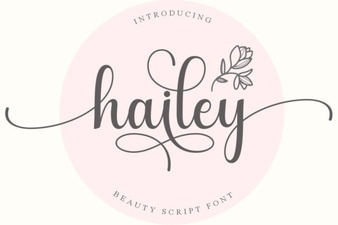 Hailey Font: Free Modern Sans for Designs
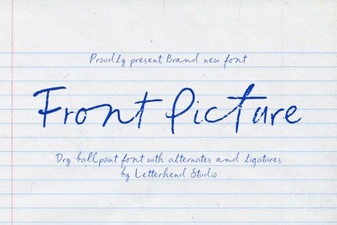 Typography for Front Cover Visuals and Graphics
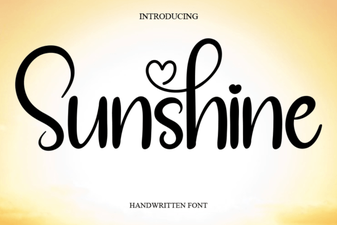 Sunshine Font: Bright Typography for Creative Projects
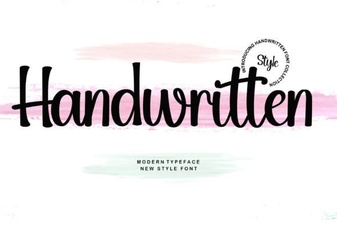 Creative Projects Using Handwritten Fonts