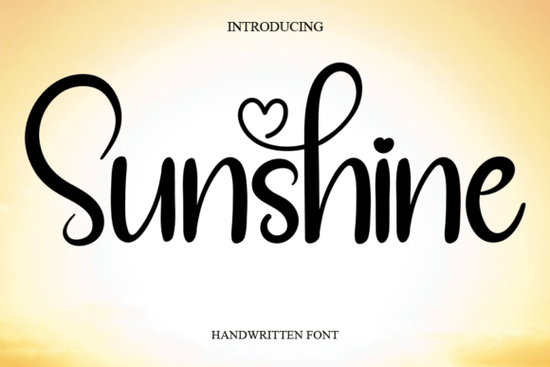
Finding the right typography can often feel like searching for a needle in a haystack. Designers and crafters frequently get stuck in the loop of scrolling through templates until the eyes blur. Sometimes, what you actually need is something lighter and more approachable than the bold displays dominating the market. If you are looking for a typeface that brings a relaxed, sunny vibe to your work, Sunshine provides that exact solution. It fits perfectly when you need to inject personality without sacrificing clarity.
This tool shines because it mimics real penmanship without the messy ink blotches common in free samples. It sits comfortably between formal print and pure doodling. When browsing a wide range of casual handwritten options, you often have to filter out everything too jagged or difficult to read on small sizes. This specific selection avoids those pitfalls by keeping curves smooth and consistent, which matters a lot when scaling designs up for posters or down for badges.
Why pick a simple script for your next project?
Design trends shift often, but legibility never goes out of style. Many new sellers focus heavily on complex styling, only to realize customers cannot read their text clearly on a mug or a shirt. Simpler lettering bridges that gap effectively. It adds character without demanding attention away from the image behind it. This balance is crucial when creating packaging or promotional materials where the message needs to be understood instantly.
You can use this for greeting cards, social media banners, or even clothing tags. The versatility allows it to sit alongside photographs or digital graphics easily without clashing. If you want to experiment with how structured a script can get, checking out playful swing variations shows you how changing the baseline angle affects energy levels in a layout. Moving the letters up and down creates movement, whereas a straight line creates stability.
However, staying grounded is often better for branding consistency. Too much movement in the text creates visual noise that distracts viewers. That is where simpler, cleaner tools help small business owners build trust with their audience. If you need to explore more detailed picture options for contrast later, they exist, but starting with clarity prevents confusion. A clear headline guides the eye, while decorative flourishes should support rather than fight for attention.
Can I use this for print-on-demand?
Yes, typically fonts found on reputable asset sites come with broad usage rights. Still, reading the specific terms is always smart practice before uploading artwork to a vendor. Most subscription services allow physical goods production, meaning you do not get charged extra per item sold. Just confirm the license covers the final product type you intend to create, such as tumblers or stickers.
For example, if you are making a logo, remember that fonts themselves usually cannot be trademarked as logos. They must be combined with other graphic elements to form a unique identity. You can verify the licensing and usage permissions on the detailed project specifications page before purchasing your subscription. Knowing the rules upfront saves potential legal headaches later in your business journey.
To browse the marketplace directly and see live previews in different contexts, visit Sunshine Font on the main site. Seeing how the glyphs behave in various languages or special characters helps you determine if it supports the abbreviations or accents your designs require.
How does this compare to other similar styles?
If you are comparing weights or shapes, having references helps narrow down your final decision quickly. Soft scripts are generally preferred for lifestyle brands targeting a female demographic, while others prefer sharper edges. If this feels a bit too rounded for your taste, you might appreciate a slightly tighter spacing structure.
In that case, looking at other friendly choices helps you understand the differences in stroke width and terminal angles. Every designer has a preference for how open or closed letters should appear. Experimenting with multiple files ensures you find the rhythm that matches your brand voice. Mixing different scripts can sometimes lead to interesting hybrid styles if handled with care.
The goal is consistency throughout your entire output. Whether you choose this or another option, mixing it with a sturdy sans-serif body copy keeps the hierarchy clear. Using varied styles together requires practice but yields professional results over time. Take notes on which pairings work best for your specific niche.
Before you finalize your design
Double-check these points to ensure a smooth workflow from purchase to production:
- Confirm File Formats: Ensure you receive both OTF and TTF versions for maximum compatibility with design software.
- Licensing Review: Verify your subscription tier explicitly allows commercial use for physical merchandise printing.
- Kerning Check: Zoom in on the text preview to see if spaces between characters look balanced when typed in a sentence.
- Color Contrast: Test the font color against both white and black background mockups to maintain readability.
Start by applying the text to a digital mock-up before committing to physical production costs. This simple step saves money and frustration by catching spacing issues early. With the right tools and preparation, your projects will feel fresh and authentic.
Learn More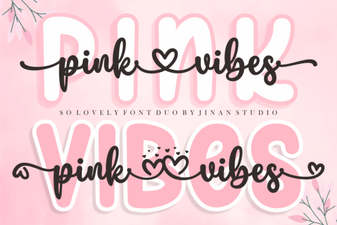 Pink Vibes Duo: Creative Font Pairing for Design Projects
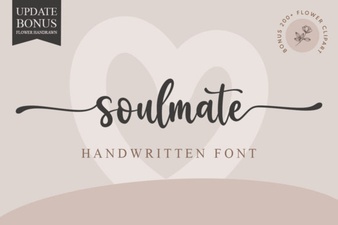 Soulmate Font Ideas for Creative Typography Projects
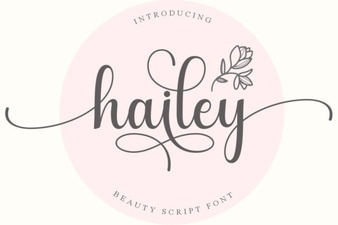 Hailey Font: Free Modern Sans for Designs
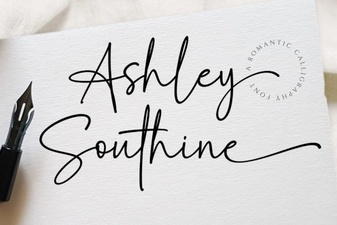 Ashley Southine Font: Creative Design Applications
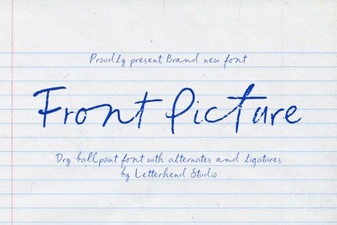 Typography for Front Cover Visuals and Graphics
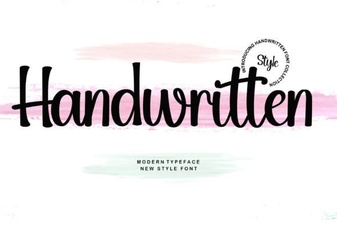 Creative Projects Using Handwritten Fonts