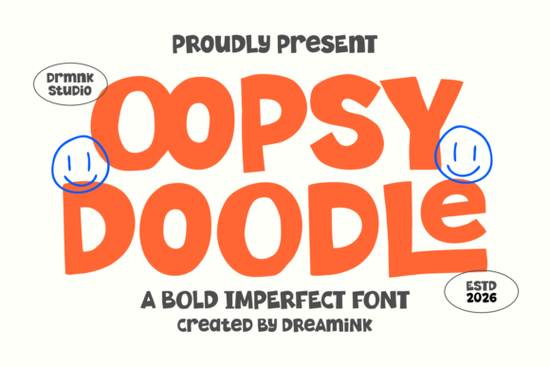
If you are looking for a typeface that stands out immediately, you know the struggle of finding something that feels handmade yet remains readable across different formats. Oopsy Doodle Font brings a distinct personality to your layouts with its raw, textured edges. It is designed for creators who want to avoid that sterile, corporate look often associated with standard digital typefaces. The design philosophy centers on embracing flaws as features, making every letter look like a little piece of art.
This specific typeface uses a cut-out aesthetic which means the edges appear slightly rough rather than perfectly smooth. It creates a tactile feeling on screen where the letters look like they were physical stickers placed onto the page. For anyone working in print-on-demand or small business branding, this level of detail adds depth without requiring extra graphic layers. It saves time because the visual weight is built directly into the shapes.
Why choose an imperfect typeface for your brand?
Perfection often looks artificial, especially when customers are scrolling through feeds filled with polished imagery. An imperfect display font signals authenticity and creativity. When a viewer sees Oopsy Doodle Font, they recognize that a human hand was involved in the creation process. This emotional connection can increase engagement rates on social posts compared to uniform sans-serifs.
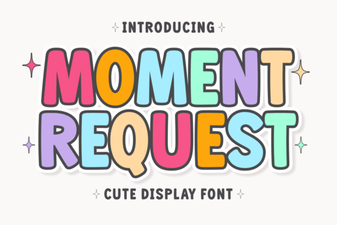
However, not all playful fonts work for every audience. Some designs require a bit more urgency or rhythm. If your project needs a faster pace or a different energy, you might compare styles like moment request which offers a more urgent tone. Conversely, if you need something softer for a community-focused page, fonts such as helpful person provide a welcoming gesture. The key is matching the texture of the letters to the message you are trying to send.
Ideally, you want the typography to reflect the product quality itself. A brand selling handmade crafts benefits from type that mimics that production method. Using a clean grid font might suggest mass manufacturing, whereas this style suggests artisanal freedom. It helps separate you from large competitors who rely on standard system fonts. Even when scaled down for app icons or small tags, the character remains visible due to the thick strokes.
How to pair Oopsy Doodle with other styles?
The most effective way to use any display font is to balance it with something neutral. You generally should not stack two loud fonts together unless you know kerning intimately. A thin sans-serif or a clean serif body text usually works best underneath the headlines. This ensures the legibility of long-form content while the headline grabs attention.
Sometimes you want a lighter option within the same category. If this style feels too heavy, consider exploring variations like sunday bright which keeps the fun factor but changes the shape entirely. On the sweeter side, similar aesthetics exist like juicy lemon which leans more toward fruit-inspired curves. Alternatively, a straightforward lemon style could work if you want something simpler for subheadings.
The cut-out nature of the main font also interacts differently with backgrounds. White or black backgrounds are safe, but textures enhance the effect. Layering this over fabric patterns or grunge paper images reinforces the handmade theme. Just be careful not to let complex textures fight for attention with the letterforms themselves. Simplicity in the background often lets the font shine the brightest.
Best projects for this display font
- Product Packaging: Ideal for snack wrappers, sticker sheets, or label tags where you want to pop off the shelf.
- T-Shirt Graphics: Works exceptionally well for vintage-style tees or streetwear drops targeting younger audiences.
- Social Media Headers: High visibility is key here, and the chunky strokes ensure clarity even on mobile screens.
- Event Flyers: Concerts, markets, and festivals benefit from the spontaneous energy the font provides.
- Creative Hobby Projects: Great for scrapbooking, journals, or greeting cards made by hand.
When preparing files for commercial use, always check the specific license terms provided with your download. Most Creative Fabrica licenses allow for end-product sales, but some restrictions apply depending on the subscription plan. Understanding these rules protects your business from legal issues later. Always keep your purchase receipts handy in case proof is ever needed.
Practical Tips for Implementation
- Check Kerning: Adjust spacing between specific pairs of letters manually. Display fonts sometimes need tweaks to sit comfortably next to each other.
- Test Legibility: Print a sample on the actual material you intend to use. Colors shift on vinyl versus paper, so see how it reads physically.
- Create Contrast: Place the font against solid colors or high-contrast photos to maintain impact.
- Vary Sizes: Don't use the same size everywhere. Mix massive titles with smaller supporting text to create hierarchy.
Finally, save your favorite layouts as templates. Once you find a layout that balances the text well with your specific imagery, reuse that structure for future campaigns. This consistency builds recognition among your followers over time. Experiment with dropping shadows or blending modes to give the flat text a bit more dimension if the project calls for it.
Learn More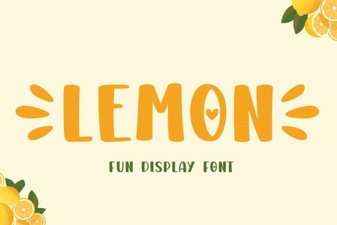 Fresh Fonts: Lemon's Creative Typography Ideas
 Chunky Summer Fonts for Bold Design Projects
 The Moment Request Font for Your Design Projects
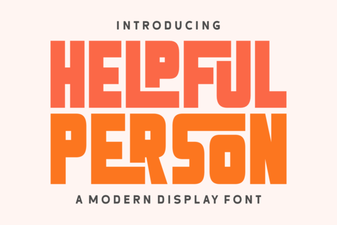 Helpful Person Font: Open Type Designs for Your Community Projects
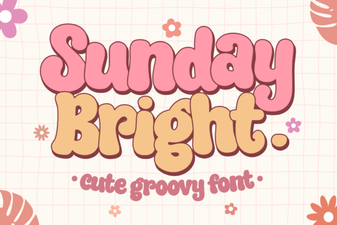 Sunday Bright Font: Projects & Creative Designs
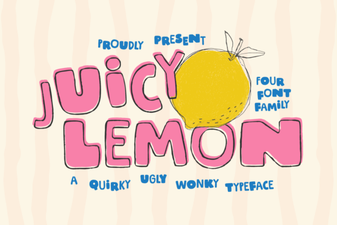 Fresh & Playful: the Juicy Lemon Font Collection