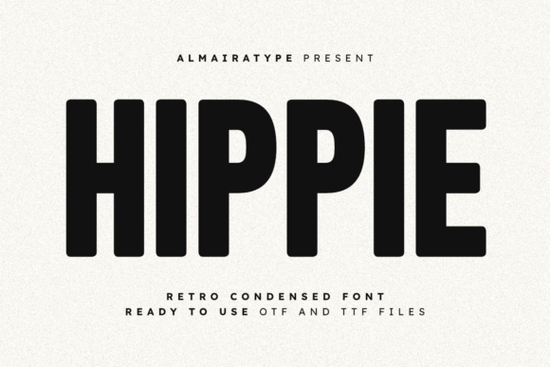
The design community has been looking for something specific lately: a typeface that brings warmth back into digital spaces without sacrificing legibility. This is where the Hippie Font steps in as a strong contender for those working on apparel branding or social media graphics. Its tall and sturdy structure allows it to command attention while keeping a professional feel that works well in both large headlines and compact layout sections.
When you combine vintage nostalgia with a clean, minimalist aesthetic, you get a tool that serves multiple purposes. Whether you are running a print-on-demand store or designing merchandise for a local business, having a typeface that bridges the gap between retro charm and modern readability is essential. You can find this specific typeface through our recommended resources on Hippie Font.
How does this font handle visual storytelling across different mediums?
Designers often struggle to maintain consistency when moving from web to print, especially with display fonts. Because this typeface features soft, slightly rounded edges, it avoids the harshness that sometimes accompanies bold typography. This gives the letters a warm and approachable feel reminiscent of classic 70s and 80s typography. If you are creating trendy apparel designs or eye-catching logos, the high-impact visual storytelling capabilities become clear quickly.
The condensed nature of the letterforms means you can pack more information into smaller spaces compared to wide scripts. This is particularly useful for t-shirt prints where space is limited, or for editorial layouts where column width is fixed. However, relying solely on one font can sometimes flatten a project. Sometimes, pairing this bold choice with something lighter or more structured helps balance the composition. For example, you might mix this display type with clean sans-serif options available in collections like Muffin Font Sans Serif. The neutral strokes of that set allow the bolder element to shine without clashing.
Crafters who use Cricut or Silhouette machines will find the file integrity crucial for smooth cuts. This typeface provides excellent readability and a unique flair, ensuring a professional finish for every vinyl project. The curves are consistent enough to handle the fine points of a blade, reducing the risk of messy lines during the weeding process.
Which supporting fonts pair best with a retro-styled condensed serif?
Finding the right partner for a dominant display font ensures your design hierarchy remains intact. Since the main font carries significant personality, you generally want complementary assets that do not fight for attention. In the category of retro sans-serif fonts, there are numerous styles that respect the original aesthetic while offering functional utility. If you need to bridge the gap between this vintage look and a contemporary interface, checking out Nura Font Sans Serif offers a nice middle ground with its straightforward geometry.
Sometimes, however, you might desire a weightier counterpoint than what the main typeface offers. If you need something even more commanding for a background texture or a massive banner, comparing notes with heavier display options is wise. Exploring alternatives within the same niche, such as Godthem Font Sans Serif, can help you understand how different stroke widths interact on a canvas. Using these combinations helps you avoid the common mistake of making a design feel chaotic, ensuring instead that it looks cohesive and professionally crafted.
What are the practical benefits for entrepreneurs selling custom products?
Time is a valuable asset for small business owners and creators. You need assets that are versatile enough to cover various client needs without requiring constant adjustments. This typeface acts as an essential asset for any creative toolkit because of its flexibility. It handles different contexts gracefully, from social media headers to physical product labels.
Using a font that already possesses established appeal saves you design time and reduces revision rounds. Clients instantly recognize the vibe associated with this era of design history. By selecting a well-structured font now, you build a stronger brand identity that feels timeless rather than trend-dependent. This longevity pays off over months or years as your portfolio grows.
Your Pre-Production Checklist
- Test Spacing: Always preview your kerning at full size on the mockup before uploading files.
- Scale Check: Ensure the condensation doesn't cause letters to collide when resized for packaging.
- Contrast Review: Compare the font against your chosen background color for maximum accessibility.
- Machine Test: Run a single test cut on scrap vinyl to verify the blade depth settings.
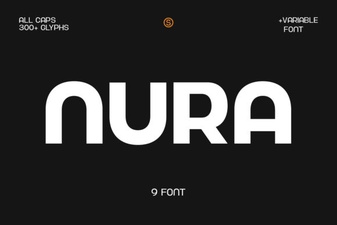 Nura Font: Creative Styles for Modern Design
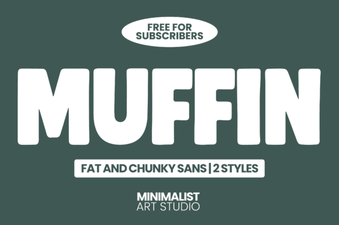 The Muffin Font: a Tasty Design for Your Projects
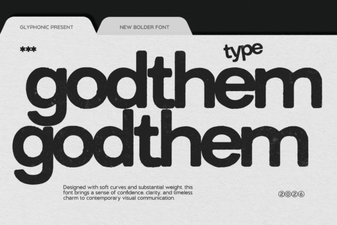 Godthem Font: Creative Projects & Typography Ideas
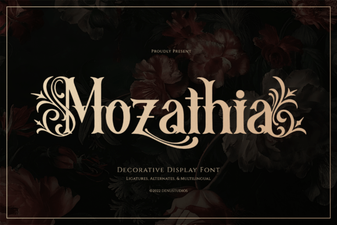 Mozathia Font: Modern Handwriting for Your Projects
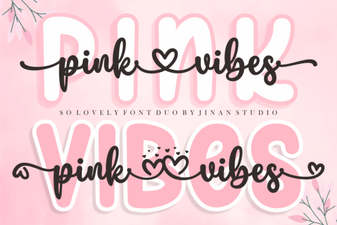 Pink Vibes Duo: Creative Font Pairing for Design Projects
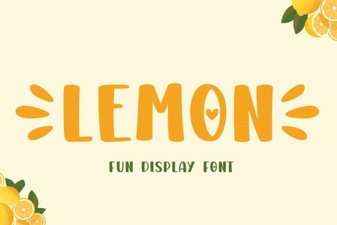 Fresh Fonts: Lemon's Creative Typography Ideas