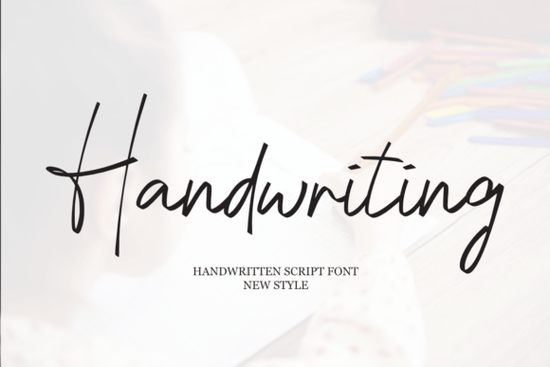
You are likely searching for a typeface that feels personal yet polished. The Handwriting Font is designed to mimic a gentle touch you would see in a letter from a friend. It balances elegance with approachability, making it suitable for both professional branding and personal projects. Unlike standard serif or sans-serif typefaces, this script captures the movement of ink flowing across paper.
Many designers struggle to find a balance between decorative flair and readability. When used correctly, this tool adds warmth to flat layouts without overwhelming the message. It helps brands feel accessible rather than corporate. Below, we explore how to apply this specific style effectively in your workflow.
What makes this script work for my projects?
The primary strength of this collection lies in its variation. A static font often looks mass-produced, whereas a font with organic curves mimics human expression. This typeface features connected letters with varying stroke widths that simulate pressure changes. Because it retains legibility even at smaller sizes, it works well for subheads or accent text. For example, you can place it on business cards alongside a clean body font to create contrast.
It creates an emotional connection with the viewer instantly. If you want your audience to feel welcomed or valued, a cursive script softens the tone of any design. It brings a romantic quality to invitations or gift tags. However, it requires careful placement. Always use plenty of white space around the letterforms so they breathe. Crowding them together can make the text hard to scan quickly.
If you are building a visual identity, consider how this style fits your brand voice. Browse the script category to see how other creators mix thick and thin strokes. Pairing it with a minimalist geometric font often yields the best results. This combination keeps the overall look modern while retaining that handmade charm.
Can I use this for commercial print-on-demand items?
Sellers often worry about whether a specific license allows physical goods. Most Creative Fabrica fonts come with clear usage guidelines. Typically, you can print these designs on apparel, mugs, and posters for sale, provided you do not redistribute the font files themselves. Always review the specific license agreement included with your purchase to ensure compliance.
Imagine creating a line of bridal accessories or custom wedding favors. Using this font on save-the-date envelopes sets an elegant tone immediately. It fits perfectly with floral illustrations and gold foil accents. Explore similar handwritten styles if you need something with more loops or flourishes. The goal is to match the texture of the paper with the energy of the letters.
For clothing lines, test the print quality at different resolutions. Sometimes fine script details get lost in embroidery or screen printing. Lowercase characters usually remain clear, but all-caps versions might require adjusting the spacing manually. Check layout samples to understand how kerning adjustments affect your final artwork. Adjustments ensure the letters do not overlap awkwardly on curved surfaces.
Which alternatives should I compare against?
There are many options on the market, but finding one with the same personality is crucial. If the primary choice feels too formal, consider something softer for greeting card projects. Look at sweet cupcake font options for a playful twist that leans toward whimsy rather than romance. These choices are excellent for baby showers or birthday party invitations.
On the other end of the spectrum, you might want sharper lines for a fashion label. View Hailey-style scripts if you need a taller x-height and cleaner edges. Every designer has different needs depending on their niche. Testing a few variations before committing to a full logo design saves time in the long run. Compare the legibility of lowercase versus uppercase sets in each family.
Websites also benefit from these typefaces. Consider using them for headlines on landing pages to draw attention. They guide the eye differently than square fonts. Handwriting stands out well against solid backgrounds. Remember to provide enough contrast between the text color and the background image to maintain accessibility standards.
Practical steps before downloading and installing
Before you start designing, verify your operating system supports the file format. Most designers work on Windows or Mac, both of which handle OTF and TTF files easily. If you use web design tools like Canva or Adobe Express, ensure you upload the correct version for editing. Some platforms only accept TTF files specifically.
Organize your project folders immediately. Create a separate directory for fonts, assets, and final exports. Naming your files clearly helps when revisiting old work. You might forget which font matched a client request six months later. Keeping a simple inventory document prevents frustration during revisions.
Here is a quick checklist to ensure success:
- Read the License: Confirm permission for POD sales.
- Test Spacing: Check kerning on key letter pairs like 'th' or 'ff'.
- Scale Down: See if it remains legible at small sizes.
- Contrast Check: Ensure colors pass WCAG accessibility guidelines.
- Export Settings: Use high-resolution PDFs or PNGs for print.
Ultimately, typography is the foundation of good communication. Selecting the right script depends on your goals and audience. Take the time to experiment with mixing weights and styles until the message clicks. With careful planning, these tools can transform simple ideas into polished products that people actually enjoy buying.
Try It Free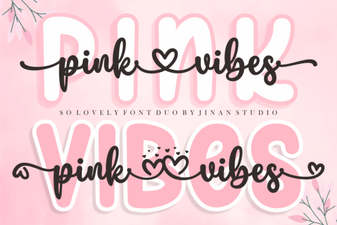 Pink Vibes Duo: Creative Font Pairing for Design Projects
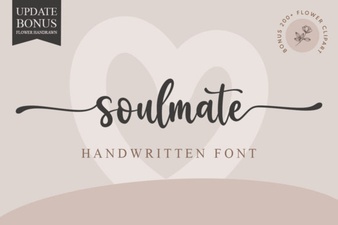 Soulmate Font Ideas for Creative Typography Projects
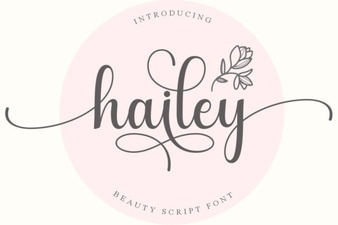 Hailey Font: Free Modern Sans for Designs
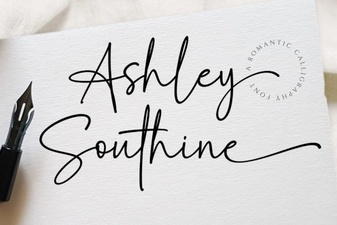 Ashley Southine Font: Creative Design Applications
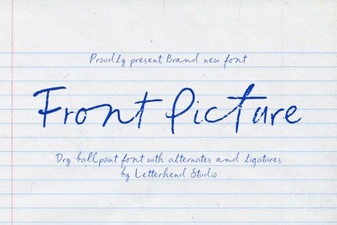 Typography for Front Cover Visuals and Graphics
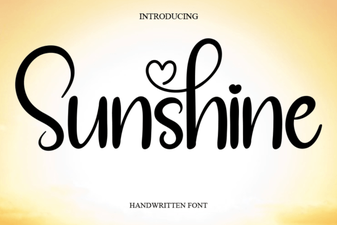 Sunshine Font: Bright Typography for Creative Projects