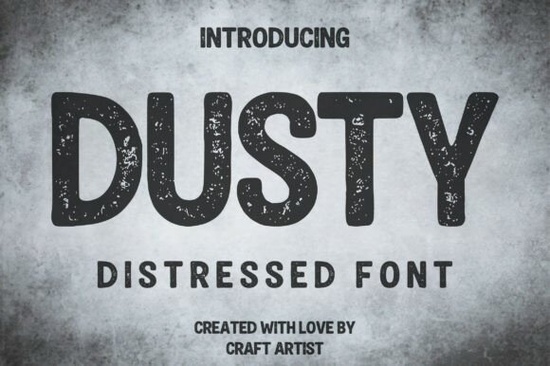
If you have been hunting for a typeface that feels authentic and weathered, Dusty Font offers exactly the grit you need. Designed specifically for display purposes, it brings a heavy, integrated distressed texture that makes any headline feel aged and worn. Rather than applying a filter later, this built-in noise ensures the letterforms stay sharp while maintaining a screen-printed look. Whether you are working on apparel graphics or rustic signage, getting the right texture upfront saves hours of editing.
Does the distressed texture ruin readability?
One common concern with weathered typefaces is losing clarity. Many users worry that added noise or speckling will make the text hard to scan. However, Dusty solves this by keeping a rounded, block-like structure. The strokes remain thick and solid enough to hold up against the intentional imperfections inside the characters. This balance allows the design to scream vintage wear-and-tear without becoming illegible when scaled down for smaller labels or logos.
This distinction matters most when creating print-ready files. If you send a blurry image to a printer, the quality drops instantly. With this display font, the edges stay crisp even when the center has intentional breaks. It mimics the effect of ink fading on old paper or a t-shirt wash-out, but the core shape remains reliable. You can use it confidently for large titles and headlines where impact is key.
Which projects benefit most from a rugged look?
The beauty of a strong texture is knowing exactly where to apply it. This tool shines brightest when you want a project to feel handmade rather than perfectly manufactured. Imagine designing a label for a local craft brewery; the rough edges communicate heritage and authenticity far better than a clean, modern sans-serif ever could. Similarly, brands focusing on outdoor gear or adventure travel often need graphics that survive tough conditions visually.
- Music Merch: Perfect for grunge album art or band tees.
- Retail Branding: Ideal for rustic coffee roasters or artisanal shops.
- Events: Great for posters that need to look like hand-painted flyers.
Sometimes, however, a heavy texture isn't quite right for your concept. If you are building a brand around family events or children's parties, the industrial vibe might clash. In those cases, shifting to something lighter helps maintain a friendly atmosphere without sacrificing professionalism. For instance, if you need rounder, bubbly shapes for a kids' clothing line, looking at a playful script or rounded display option provides a stark contrast. Exploring varied styles ensures you don't force a square peg into a round hole.
How do you choose complementary fonts for layouts?
Using Dusty for a main header usually requires pairing it with a simpler secondary font. Since the headliner carries so much visual weight, the supporting text should be clean and unobtrusive to avoid clutter. Think of it as a stage play: the distressed font is the lead actor shouting the lines, while the helper takes care of the details quietly.
But what if you want to switch the entire mood of the project? Design libraries often offer distinct flavors to suit specific themes. If your current client wants something fresh and zesty, moving away from the gray tones of distress toward something bright is necessary. Styles like Lemon bring a sunny energy that works well for citrus products or spring campaigns. Meanwhile, for a relaxed coastal theme, checking out waves beach font display resources provides organic curves that mimic sea foam and sand.
There are times when you need chunky block letters that lack the damage for a cleaner industrial look. Summer Chunky is an excellent choice in those moments when you want boldness without the grunge. For projects involving sweets, cafes, or greeting cards, switching gears to Oopsy Doodle fonts adds character through whimsical imperfections instead of age-related decay. Finally, when you need a punchier, fruit-forward variation of classic lemons, searching for juicy lemon font options keeps the energy high without changing the overall geometry of the text too much.
Selecting the right asset depends entirely on the story you are telling. Using Dusty for a beer tap handle tells a story of tradition, whereas using a fresher alternative signals innovation or youth. Testing both directions before committing to production is a smart move for sellers offering custom services.
What should you check before ordering files?
Before downloading anything for commercial use, verifying file formats is essential. Make sure the package includes OpenType or TrueType files so you can open them in standard design software like Adobe Illustrator or Photoshop. Vector support is helpful if you plan to scale logos up for billboards, while raster versions might be sufficient for social media posts. Additionally, review the license agreement to confirm how many projects you can create with the single purchase.
It is also wise to test the rendering settings. Some distressed fonts rely on specific output settings to show their best side. Adjusting kerning slightly wider than usual can prevent the texture from clumping together in tight spaces. Always preview your work on actual material samples, such as mockups on shirts or cards, to see how the ink absorption affects the rough texture.
Quick Launch Checklist
- Verify commercial rights allow the intended use case.
- Test the font at small sizes to ensure noise doesn't blur.
- Pair with a simple sans-serif for legible subtext.
- Check color contrast between background and distressed foreground.
- Compare against similar distressed fonts to ensure uniqueness.
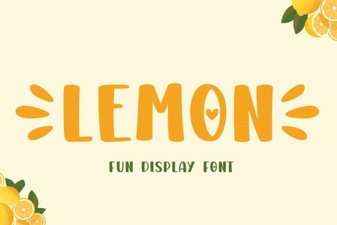 Fresh Fonts: Lemon's Creative Typography Ideas
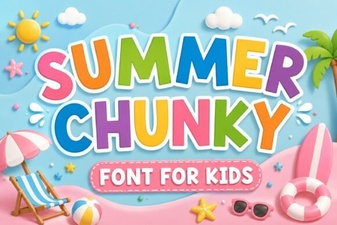 Chunky Summer Fonts for Bold Design Projects
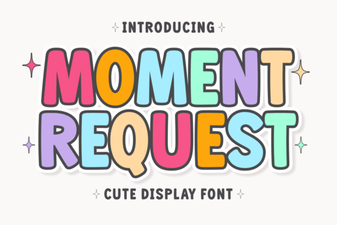 The Moment Request Font for Your Design Projects
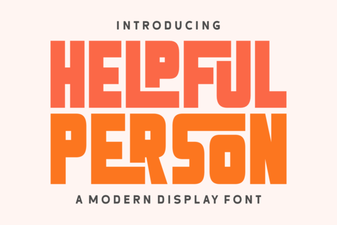 Helpful Person Font: Open Type Designs for Your Community Projects
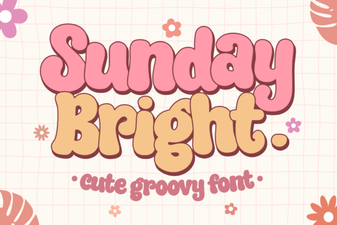 Sunday Bright Font: Projects & Creative Designs
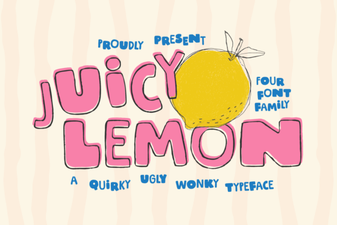 Fresh & Playful: the Juicy Lemon Font Collection